


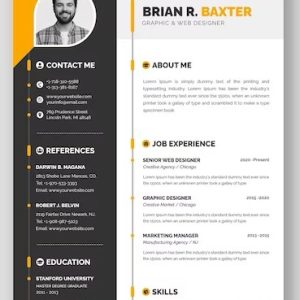

clean-modern-resume-portfolio-cv-template_120329-3603

Premium CV Writing Services – Unleash the Full Potential of Your Professional Profile

Introduction:

Our Premium CV Writing Services are designed for professionals who want to make a powerful impact and stand out from the competition. With our team of expert CV writers and personalized approach, we will create a premium-quality CV that elevates your professional profile and helps you secure coveted job opportunities.

Our Approach:

At ACS International, we understand that a premium CV requires an extra level of attention to detail, strategic positioning, and a compelling narrative. Our expert CV writers will collaborate closely with you to understand your unique strengths, career trajectory, and aspirations. We will craft a bespoke CV that showcases your expertise, accomplishments, and value proposition in a way that captivates employers and sets you apart.

Key Features of Premium CV Writing Services:

  • Comprehensive Consultation:

    Our premium service begins with an in-depth consultation to gain a holistic understanding of your career goals, achievements, and personal brand. We explore your professional journey, strengths, and unique selling points to create a powerful narrative that positions you as a top candidate.
  • Executive-Level Writing:

    Our team of senior CV writers possesses extensive experience working with professionals at executive and senior management levels. They are skilled in crafting compelling executive CVs that emphasize your leadership abilities, strategic vision, and track record of success.
  • Branding and Value Proposition:

    We focus on developing a strong personal brand and value proposition that distinguishes you from your competition. Through skillful storytelling and highlighting your unique achievements, we ensure that your CV effectively communicates your value to prospective employers.
  • Customized Design and Formatting:

    In addition to compelling content, our Premium CV Writing Services offer customized design and formatting options to enhance the visual appeal and professionalism of your CV. We create a visually stunning layout that aligns with your industry and target role, capturing attention and leaving a lasting impression.
  • Unlimited Revisions:

    We value your satisfaction and offer unlimited revisions to ensure your CV meets your expectations. Our writers will work closely with you to incorporate your feedback and make any necessary adjustments, ensuring your CV reflects your unique professional profile and presents your best self.

Standard CV Writing Services – Showcase Your Skills and Experience Effectively

Introduction:

In today’s competitive job market, a well-crafted CV is essential to make a lasting impression on potential employers. Our Standard CV Writing Services are designed to help you create a professional CV that highlights your skills, experience, and achievements in a clear and concise manner.

Our Approach:

At ACS International, we understand the importance of crafting a CV that effectively showcases your qualifications and stands out from the crowd. Our team of professional CV writers will work closely with you to understand your career goals, experiences, and unique strengths. We follow a comprehensive process to ensure your CV is tailored to your specific needs and maximizes your chances of securing job interviews.

Key Features of Standard CV Writing Services:

  1. Personalized Consultation:

    We begin the process with a personalized consultation to understand your career objectives, accomplishments, and target industry. This helps us tailor your CV to highlight your key skills and achievements in a way that resonates with potential employers.
  2. Professional Writing:

    Our experienced CV writers possess in-depth knowledge of industry-specific requirements and best practices. They will craft a compelling and well-structured CV that effectively showcases your qualifications, experience, and potential, while ensuring the content is clear, concise, and engaging.
  3. ATS Optimization:

    We optimize your CV to ensure it passes through Applicant Tracking Systems (ATS) used by many employers. By incorporating relevant keywords and formatting techniques, we enhance your CV’s visibility and increase the chances of it reaching the hands of hiring managers.
  4. Targeted CV Content:

    We tailor the content of your CV to match the specific job role or industry you are targeting. Our writers will highlight your relevant skills, experiences, and accomplishments that align with the requirements of your desired position, increasing your chances of securing job interviews.
  5. Proofreading and Quality Assurance:

    Our team conducts thorough proofreading and quality checks to ensure your CV is error-free, grammatically correct, and presents a professional image. We pay attention to every detail, ensuring your CV is polished and ready to make a positive impression on potential employers.
Group of people sitting on a seminar. They have their hand raised.

Optimizing HR Management: Best Practices for Talent Acquisition and Retention

Optimizing HR Management: Best Practices for Talent Acquisition and Retention

Introduction: In today’s competitive business landscape, attracting and retaining top talent is crucial for organizational success. Human Resources (HR) plays a pivotal role in optimizing talent acquisition and retention strategies. In this article, we will explore best practices for HR management that can enhance talent acquisition efforts and improve employee retention.

  1. Align Talent Acquisition with Organizational Goals: Discuss the importance of aligning talent acquisition strategies with the organization’s goals and long-term vision. HR should work closely with hiring managers and department heads to understand their talent needs and develop recruitment strategies that attract candidates who align with the company’s values and objectives.
  2. Develop a Comprehensive Recruitment Strategy: Outline the components of a comprehensive recruitment strategy, including sourcing channels, job advertisements, screening processes, interviews, and candidate assessments. Highlight the significance of building a diverse candidate pool and implementing fair and unbiased selection methods.
  3. Employer Branding and Employee Value Proposition: Explore the concept of employer branding and the development of an Employee Value Proposition (EVP). Discuss the importance of communicating the organization’s culture, values, and unique offerings to potential candidates to attract top talent who resonate with the company’s identity and value proposition.
  4. Enhance the Candidate Experience: Emphasize the significance of providing a positive candidate experience throughout the recruitment process. Discuss the importance of clear and timely communication, transparency, and personalized interactions. A positive candidate experience enhances the organization’s reputation and increases the likelihood of attracting and securing top talent.
  5. Implement Effective Onboarding Programs: Discuss the importance of a well-structured onboarding process to help new hires acclimate to their roles, understand the organization’s culture, and establish meaningful connections. Highlight the benefits of providing comprehensive training, mentorship opportunities, and ongoing support during the early stages of employment.
  6. Foster a Culture of Continuous Learning and Development: Explain the importance of offering robust learning and development opportunities to employees. Discuss the benefits of investing in training programs, workshops, and mentoring initiatives that enable employees to acquire new skills, enhance their expertise, and foster career growth within the organization.
  7. Provide Competitive Compensation and Benefits: Discuss the significance of offering competitive compensation packages and benefits that align with industry standards. Highlight the importance of fair pay practices, performance-based incentives, and a comprehensive benefits package that addresses the diverse needs of employees.
  8. Prioritize Employee Engagement and Well-being: Emphasize the importance of creating a positive work environment that prioritizes employee engagement and well-being. Discuss the implementation of initiatives such as employee recognition programs, flexible work arrangements, work-life balance support, and mental health resources.
  9. Foster Career Development and Advancement Opportunities: Highlight the value of providing clear career paths and growth opportunities to employees. Discuss the importance of performance evaluations, regular feedback, and development plans to identify and nurture high-potential individuals and support their professional growth.
  10. Implement Employee Retention Strategies: Discuss effective employee retention strategies, such as fostering a supportive and inclusive culture, offering competitive benefits and rewards, providing opportunities for professional growth, and promoting work-life balance. Highlight the significance of conducting stay interviews and actively addressing employee concerns and challenges.

Conclusion: Optimizing HR management practices for talent acquisition and retention is vital in building a high-performing workforce. By aligning recruitment strategies with organizational goals, enhancing the candidate experience, providing robust onboarding, fostering a culture of continuous learning, and prioritizing employee engagement and well-being, organizations can attract top talent, retain valuable employees, and create a thriving work environment. Effective HR management not only drives business success but also nurtures a culture of growth, development, and employee satisfaction.

Stock market, overlay and trading team on finance, blockchain and forex digital website working on a strategy. Fintech, smile and happy traders studying global financial chart data analysis at night

The Impact of Diversity and Inclusion on Organizational Performance

The Impact of Diversity and Inclusion on Organizational Performance

Introduction: Diversity and inclusion (D&I) have emerged as critical factors influencing organizational success. In this article, we will explore the profound impact that diversity and inclusion have on organizational performance, innovation, and overall business outcomes.

  1. Defining Diversity and Inclusion: Provide a clear definition of diversity and inclusion and emphasize their interconnected nature. Explain that diversity encompasses various dimensions, such as race, gender, age, ethnicity, background, and more, while inclusion focuses on creating an environment where everyone feels valued, respected, and empowered to contribute their unique perspectives.
  2. The Business Case for Diversity and Inclusion: Present compelling evidence and research supporting the business case for diversity and inclusion. Highlight studies demonstrating the positive correlation between diverse teams and improved financial performance, innovation, problem-solving capabilities, and customer satisfaction.
  3. Enhanced Creativity and Innovation: Discuss how diversity fosters a wide range of perspectives, experiences, and ideas, which fuels creativity and innovation. Explore how diverse teams challenge the status quo, bring fresh insights, and generate novel solutions to complex problems.
  4. Better Decision Making: Explain the link between diversity and improved decision-making. Diverse teams bring a wider array of viewpoints, enabling comprehensive analyses and reducing the risk of groupthink. Discuss the value of diverse perspectives in considering a range of alternatives and making more informed choices.
  5. Increased Employee Engagement and Retention: Highlight how fostering an inclusive work environment improves employee engagement and retention. Discuss the positive impact of inclusive practices, such as equitable opportunities for growth, fair treatment, and recognition, on employee satisfaction and commitment.
  6. Broader Market Perspective and Customer Connection: Explain how diversity within the workforce enables organizations to better understand and connect with diverse customer segments. A diverse workforce brings cultural competence, empathy, and insights into different markets, helping organizations tailor their products and services to meet diverse customer needs.
  7. Attracting and Retaining Top Talent: Discuss how a commitment to diversity and inclusion enhances an organization’s ability to attract and retain top talent. Present the growing importance of D&I to job seekers, especially among younger generations, who actively seek inclusive work environments that value diversity.
  8. Building a Culture of Collaboration and Respect: Emphasize how an inclusive culture encourages collaboration, respect, and teamwork among employees. Discuss how organizations that embrace diversity create a sense of belonging, psychological safety, and trust, which foster stronger relationships and promote employee well-being.
  9. Mitigating Bias and Promoting Fairness: Explore how diversity and inclusion initiatives help organizations identify and address unconscious biases. Discuss strategies for mitigating bias in recruitment, performance evaluations, and decision-making processes, ensuring fair and equitable treatment for all employees.
  10. Creating a Competitive Advantage: Summarize the various benefits of diversity and inclusion and how they contribute to creating a competitive advantage. Illustrate how organizations that prioritize D&I gain a distinct edge by leveraging the full potential of their diverse workforce and cultivating an inclusive culture that attracts customers, investors, and top talent.

Conclusion: Diversity and inclusion are no longer merely buzzwords but essential elements for organizational success. By embracing diversity and fostering an inclusive culture, organizations can unlock the full potential of their workforce, drive innovation, improve decision-making, enhance employee engagement, and gain a competitive edge. It is a transformative journey that embraces the power of diversity to propel organizations towards long-term growth, sustainability, and excellence.

Futuristic emotional and intellectual intelligence concept with glowing low polygonal human heads with heart and brain isolated on dark blue background. Modern wire frame design vector illustration.

The Role of Emotional Intelligence in Leadership and Business Success

The Role of Emotional Intelligence in Leadership and Business Success

Introduction: Emotional intelligence (EI) plays a pivotal role in leadership and business success. It refers to the ability to recognize, understand, and manage emotions in oneself and others. In this article, we will explore the significance of emotional intelligence in the realm of leadership and its impact on driving business success.

  1. Definition and Components of Emotional Intelligence: Define emotional intelligence and discuss its core components, including self-awareness, self-regulation, motivation, empathy, and social skills. Explain how these components contribute to effective leadership.
  2. Self-Awareness: The Foundation of Emotional Intelligence: Highlight the importance of self-awareness in leadership. Discuss how self-awareness allows leaders to understand their emotions, strengths, weaknesses, and their impact on others. It lays the foundation for effective self-management and relationship building.
  3. Self-Regulation: Managing Emotions and Impulses: Explore how self-regulation empowers leaders to manage their emotions and impulses effectively. Discuss the benefits of emotional self-control, adaptability, and resilience in navigating challenging situations and making sound decisions.
  4. Motivation: Driving Passion and Achievement: Delve into the role of motivation in leadership. Explain how emotionally intelligent leaders cultivate intrinsic motivation, set high standards, and inspire their teams to achieve exceptional results. Discuss the connection between motivation, employee engagement, and overall business success.
  5. Empathy: Understanding and Connecting with Others: Highlight the significance of empathy in leadership. Explore how empathetic leaders understand and relate to the emotions and perspectives of their team members, fostering trust, collaboration, and strong interpersonal relationships.
  6. Social Skills: Building Effective Relationships: Discuss the impact of strong social skills on leadership effectiveness. Explore the importance of communication, conflict resolution, teamwork, and influence in building successful relationships with employees, clients, and stakeholders.
  7. The Influence of Emotional Intelligence on Decision Making: Illustrate how emotional intelligence enhances decision-making. Emotionally intelligent leaders consider both logical reasoning and emotional aspects, weighing the impact on individuals and fostering a positive organizational climate.
  8. Creating an Emotionally Intelligent Organizational Culture: Explain how emotionally intelligent leaders can foster an organizational culture that values emotional intelligence. Discuss the benefits of an inclusive, supportive, and emotionally intelligent work environment that attracts and retains top talent.
  9. Developing Emotional Intelligence: Strategies and Practices: Provide practical strategies and practices for developing emotional intelligence. Include self-reflection exercises, mindfulness techniques, empathy-building activities, and ongoing learning opportunities.
  10. The Business Impact of Emotional Intelligence: Highlight real-world examples and case studies showcasing how emotional intelligence positively impacts leadership effectiveness, employee engagement, team performance, and overall business success.

Conclusion: Emotional intelligence is a key differentiator in effective leadership and business success. By cultivating emotional intelligence skills, leaders can foster positive relationships, inspire their teams, and make informed decisions. Emotionally intelligent leaders create an environment where individuals thrive, leading to enhanced employee engagement, productivity, and organizational growth. Embrace emotional intelligence and unlock the full potential of leadership for sustainable success in today’s dynamic business landscape.

Global network concept. Map of Japan and group of people.

The Power of Effective Communication in Business: Tips and Techniques

The Power of Effective Communication in Business: Tips and Techniques

Introduction: Effective communication is a cornerstone of success in business. It facilitates understanding, fosters collaboration, and builds strong relationships with clients, colleagues, and stakeholders. In this article, we will explore the power of effective communication in a business context and provide valuable tips and techniques to enhance communication skills.

  1. Clear and Concise Messaging: Deliver your message with clarity and conciseness. Use plain language, avoid jargon, and focus on the key points. Ensure that your message is easily understood by your intended audience.
  2. Active Listening: Practice active listening to truly understand others. Give your full attention, maintain eye contact, and engage in the conversation. Ask clarifying questions and demonstrate empathy to build rapport and foster meaningful connections.
  3. Choose the Right Communication Channels: Select the most appropriate communication channels for your message. Email, face-to-face meetings, phone calls, and video conferences each have their place. Consider the urgency, complexity, and context of the communication to determine the most effective channel.
  4. Non-Verbal Communication: Pay attention to your non-verbal cues, such as body language, facial expressions, and tone of voice. Align your non-verbal communication with your intended message to ensure congruence and convey trust and confidence.
  5. Tailor Your Communication Style: Adapt your communication style to suit the preferences and needs of your audience. Consider their communication preferences, cultural backgrounds, and personalities to ensure effective information exchange.
  6. Clarity in Written Communication: When communicating in writing, use a clear and organized structure. Break down complex information into digestible sections, use headings, bullet points, and concise sentences. Proofread your written communication for grammar and spelling errors.
  7. Emotional Intelligence: Develop emotional intelligence to navigate sensitive conversations. Recognize and manage your emotions, as well as those of others, to facilitate productive discussions and prevent misunderstandings.
  8. Feedback and Constructive Criticism: Provide feedback and constructive criticism in a respectful and constructive manner. Focus on specific behaviors or actions, offer suggestions for improvement, and maintain a positive tone. Foster a culture of feedback and continuous improvement within your organization.
  9. Conflict Resolution: Develop conflict resolution skills to address disagreements and conflicts effectively. Practice active listening, maintain an open mind, and seek mutually beneficial solutions. Encourage respectful dialogue and find common ground to resolve conflicts amicably.
  10. Practice Empathy and Understanding: Cultivate empathy and understanding in your communication. Put yourself in others’ shoes, consider their perspectives, and demonstrate genuine care and empathy. This promotes positive relationships and fosters a supportive work environment.

Conclusion: Effective communication is a powerful tool that drives success in business. By adopting these tips and techniques, individuals and organizations can enhance their communication skills, strengthen relationships, and achieve better outcomes. Remember, effective communication is a continuous journey of improvement that brings people together, fosters collaboration, and propels organizations towards their goals.

Group of Latin American business people talking in a meeting at the office

Unlocking Employee Potential: Strategies for Building a High-Performing Team

Unlocking Employee Potential: Strategies for Building a High-Performing Team

Introduction: Building a high-performing team is a key driver of organizational success. When employees reach their full potential, they contribute their best work, collaborate effectively, and achieve remarkable results. In this article, we will explore strategies and best practices for unlocking employee potential and cultivating a high-performing team.

  1. Foster a Positive and Inclusive Work Culture: Create an environment where employees feel valued, respected, and included. Promote open communication, trust, and teamwork. Encourage diversity of thought and provide equal opportunities for growth and development.
  2. Clarify Roles and Expectations: Clearly define roles, responsibilities, and expectations for each team member. Ensure that everyone understands their contributions to the team’s goals and how their work aligns with the organization’s objectives. This clarity fosters accountability and empowers individuals to take ownership of their responsibilities.
  3. Encourage Continuous Learning and Development: Provide opportunities for employees to enhance their skills and knowledge. Offer training programs, workshops, and mentorship initiatives that align with their career aspirations and the needs of the organization. Support a culture of continuous learning that promotes personal and professional growth.
  4. Promote Collaboration and Effective Communication: Foster a collaborative environment where team members actively share ideas, insights, and feedback. Encourage open and transparent communication channels that facilitate information sharing and problem-solving. Effective collaboration builds strong relationships and enhances team productivity.
  5. Set SMART Goals and Provide Regular Feedback: Establish Specific, Measurable, Achievable, Relevant, and Time-bound (SMART) goals for individuals and the team. Regularly provide constructive feedback to recognize achievements, offer guidance, and identify areas for improvement. Feedback fuels growth and motivates employees to perform at their best.
  6. Empower Decision-Making and Autonomy: Empower employees to make decisions and take ownership of their work. Provide them with the necessary resources, tools, and authority to carry out their responsibilities effectively. Autonomy fosters a sense of ownership, accountability, and innovation within the team.
  7. Recognize and Reward Performance: Acknowledge and celebrate the accomplishments and exceptional performance of team members. Implement recognition programs that highlight their contributions and reinforce a culture of appreciation. Rewards can be monetary, non-monetary, or opportunities for growth and advancement.
  8. Foster a Supportive Manager-Employee Relationship: Encourage managers to build strong relationships with their team members based on trust, support, and mentorship. Managers should provide guidance, coaching, and career development opportunities to help employees thrive and reach their full potential.
  9. Encourage Work-Life Balance and Well-being: Promote work-life balance by supporting flexible work arrangements and promoting employee well-being. Offer wellness programs, initiatives for stress management, and a positive work environment that prioritizes the holistic health of team members.
  10. Regularly Evaluate and Adapt: Continuously assess team dynamics, individual performance, and the effectiveness of strategies. Seek feedback from employees and adjust practices accordingly. Regular evaluation and adaptation ensure that the team remains agile, responsive, and aligned with evolving organizational goals.

Conclusion: Unlocking employee potential and building a high-performing team requires a holistic approach that focuses on nurturing a positive work culture, continuous learning, collaboration, and individual growth. By implementing these strategies and best practices, organizations can unleash the full potential of their employees, foster exceptional teamwork, and drive extraordinary results. Remember, investing in your team today will pave the way for future success and sustainable growth.

A group of people standing on a hill over the beautiful cloudscape.

Navigating Change: How to Lead and Manage Successful Organizational Transitions

Navigating Change: How to Lead and Manage Successful Organizational Transitions

Introduction: Change is an inevitable part of the business landscape, and organizations that can effectively navigate and adapt to change have a competitive edge. In this article, we will explore strategies and best practices for leading and managing successful organizational transitions, enabling companies to thrive in times of change.

  1. Understanding the Need for Change: Acknowledge the reasons behind organizational transitions, such as market dynamics, technological advancements, or strategic realignment. Communicate the necessity of change to all stakeholders and foster a shared understanding of the benefits and long-term goals.
  2. Create a Clear Vision and Roadmap: Develop a compelling vision for the future state of the organization. Outline the desired outcomes and articulate the roadmap for achieving them. A well-defined plan provides clarity and direction, aligning employees towards a common goal.
  3. Effective Communication: Communication is pivotal during times of change. Leaders must be transparent, open, and accessible to address concerns, provide updates, and communicate the rationale behind the change. Foster two-way communication channels to ensure that employees feel heard and valued.
  4. Engage and Empower Employees: Involve employees in the change process by seeking their input and feedback. Empower them to contribute their ideas and suggestions, which fosters ownership and a sense of shared responsibility. Encourage collaboration and teamwork to navigate the transition together.
  5. Develop Change Champions: Identify change champions within the organization who embrace the change and can positively influence their peers. These champions can serve as advocates, mentors, and role models, helping to drive acceptance and enthusiasm throughout the organization.
  6. Provide Training and Support: Equip employees with the necessary skills and knowledge to adapt to the changes effectively. Offer training programs, workshops, and resources to build their capabilities and confidence. Provide ongoing support to address any challenges that arise during the transition.
  7. Anticipate and Address Resistance: Change often triggers resistance, and it’s essential to anticipate and address it proactively. Understand the concerns and fears of employees and address them with empathy and transparency. Engage in active dialogue, provide reassurance, and demonstrate the benefits of the change.
  8. Monitor Progress and Adjust: Regularly assess the progress of the organizational transition and make adjustments as needed. Keep a pulse on employee morale, engagement, and the effectiveness of the change initiatives. Flexibility and agility are key to adapt to emerging challenges and ensure successful outcomes.
  9. Celebrate Milestones and Successes: Acknowledge and celebrate milestones achieved throughout the transition process. Recognize and appreciate the efforts of employees who have embraced the change and contributed to its success. Celebrating accomplishments boosts morale and reinforces a positive change culture.
  10. Learn and Improve: Reflect on the lessons learned from the transition process. Identify areas of improvement and opportunities for growth. Use the insights gained to refine change management strategies for future organizational transitions.

Conclusion: Successfully navigating organizational change requires effective leadership, clear communication, employee engagement, and a resilient change management strategy. By following these strategies and best practices, organizations can minimize disruption, build a change-ready culture, and emerge stronger from the transition. Change becomes an opportunity for growth, innovation, and continued success in the ever-evolving business landscape.

Silhouette of climbers who climbed to the top of the mountain thanks to mutual assistance and teamwork. Conceptual scene of a team of alpinists

Effective Strategies for Leadership Development in the Modern Workplace

Effective Strategies for Leadership Development in the Modern Workplace

Introduction: In today’s rapidly evolving business landscape, effective leadership is a critical component of organizational success. Developing strong leaders who can inspire and guide their teams towards achieving strategic objectives is essential. In this article, we will explore proven strategies and best practices for leadership development in the modern workplace.

  1. Importance of Leadership Development: Effective leadership serves as the driving force behind employee engagement, productivity, and organizational growth. By investing in leadership development, companies create a pipeline of capable leaders who can navigate complex challenges and drive innovation.
  2. Identify Leadership Competencies: Successful leaders possess a specific set of competencies that align with the demands of the modern workplace. These may include strategic thinking, adaptability, effective communication, emotional intelligence, and the ability to foster collaboration. Identifying and developing these competencies is key to effective leadership development.
  3. Create a Structured Leadership Development Program: A structured leadership development program provides a framework for nurturing leadership talent within the organization. This program can include various components such as workshops, training sessions, coaching, mentoring, and leadership assessments. It should be tailored to address the specific needs and goals of both the individuals and the organization.
  4. Encourage Continuous Learning: Continuous learning is essential for leaders to stay updated with industry trends, acquire new skills, and broaden their perspectives. Encourage leaders to pursue professional development opportunities, attend seminars and conferences, and engage in ongoing learning initiatives. This fosters a culture of growth and keeps leaders at the forefront of their field.
  5. Provide Opportunities for Hands-on Experience: Leadership development goes beyond theoretical knowledge. Providing leaders with opportunities for hands-on experience, such as leading cross-functional projects, managing teams, or taking on stretch assignments, allows them to apply their skills in real-world scenarios. These experiences promote growth, resilience, and the development of practical leadership abilities.
  6. Foster a Culture of Feedback and Coaching: Regular feedback and coaching are crucial components of leadership development. Encourage open communication and create a supportive environment where leaders receive constructive feedback to identify areas for improvement. Offer coaching and mentoring programs to help leaders enhance their strengths and address any developmental needs.
  7. Promote Collaboration and Networking: Collaboration and networking opportunities provide leaders with the chance to learn from others, gain different perspectives, and build valuable relationships. Encourage participation in cross-functional projects, industry events, and professional associations to broaden their networks and expand their knowledge base.
  8. Measure and Evaluate Leadership Development Efforts: To ensure the effectiveness of leadership development initiatives, establish key metrics and evaluation mechanisms. These can include employee surveys, performance assessments, 360-degree feedback, and tracking the progress of leaders against predefined development goals. Regularly review and adjust the program to meet evolving needs.


Conclusion: Effective leadership development is vital for organizations seeking to thrive in the modern workplace. By implementing these strategies and best practices, companies can cultivate a robust leadership pipeline, foster a culture of continuous learning, and empower their leaders to navigate challenges and drive success. Investing in leadership development is an investment in the long-term growth and sustainability of the organization.